
Six Sigma Project Management Templates enhance efficiency by offering structured approaches based on the DMAIC framework, combining data analysis with process improvement. These templates facilitate goal setting, planning, and decision-making through tailored metrics and KPIs. Root Cause Analysis (RCA) identifies delays' underlying causes, while Lean principles eliminate waste. Iterative project management breaks down phases to tackle bottlenecks early. Successful case studies demonstrate substantial timeline optimizations across industries, ensuring high-quality outcomes on time. Mentorship and coaching ensure effective implementation for diverse business needs.
In today's fast-paced business environment, optimizing project timelines is paramount to achieving competitive advantages. However, many organizations struggle with inefficient processes leading to delays and increased costs. Six Sigma, a data-driven quality management methodology, offers robust tools to address these challenges. By focusing on reducing variability and minimizing defects, Six Sigma techniques can significantly enhance project efficiency. This article delves into the application of Six Sigma principles specifically tailored for project management, highlighting strategies that transform traditional approaches using Six Sigma Project Management Templates. With a deep dive into proven methodologies, you'll gain valuable insights to optimize your project timelines effectively.
- Understanding Six Sigma for Project Efficiency
- Define and Measure Project Goals with Six Sigma
- Identify Root Causes Using Data Analysis
- Implement Lean Principles for Timeline Optimization
- Control and Prevent Future Delays with Six Sigma Tools
Understanding Six Sigma for Project Efficiency
Six Sigma Project Management Templates are powerful tools for optimizing project timelines and enhancing overall efficiency. Understanding Six Sigma, a data-driven quality improvement methodology, is crucial in achieving these goals. At its core, Six Sigma focuses on identifying and eliminating defects in processes, resulting in improved outcomes and reduced waste. This approach translates seamlessly into project management, offering structured methods to streamline tasks and ensure timely deliveries.
The key to successful implementation lies in adopting a systematic framework. Downloadable Six Sigma project plans provide a solid foundation, guiding teams through defined phases such as Define, Measure, Analyze, Improve, and Control (DMAIC). These plans are tailored for various projects, ensuring a customized yet structured approach. For instance, a case study of a manufacturing company applying Six Sigma revealed a 25% reduction in production time and significant cost savings within six months. This success underscores the methodology's potential to revolutionize project execution.
Getting certified in Six Sigma project management is an invaluable asset for professionals aiming to master these techniques. The training equips individuals with the knowledge to lead projects, interpret data, and drive continuous improvement. By integrating Six Sigma principles into project planning, organizations can anticipate challenges, minimize delays, and deliver high-quality results on time. Moreover, leveraging the expertise of problem-solving strategies offered by our organization, such as custom Six Sigma project management templates and certified training, teams are empowered to navigate complex projects with confidence, ensuring optimal timelines and exceptional outcomes.
Define and Measure Project Goals with Six Sigma
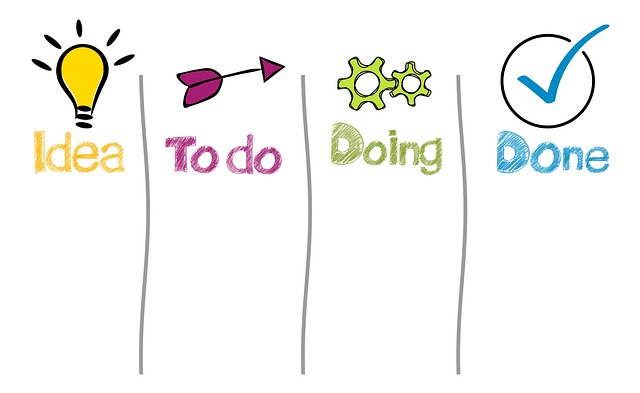
Defining and measuring project goals is a critical step in optimizing timelines with Six Sigma techniques. This involves clearly articulating both qualitative and quantitative objectives that align with overall business strategies. By integrating lean and Six Sigma principles upfront, organizations can ensure that every project delivers measurable value. For instance, a manufacturing company aiming to reduce production time might set a goal of decreasing cycle times by 20% within six months, a target that combines the need for efficiency (lean) with the precision demanded by Six Sigma.
Six Sigma Project Management Templates serve as valuable tools in this process, providing structured frameworks to translate strategic goals into tangible metrics. These templates facilitate the creation of detailed project plans, identify key performance indicators (KPIs), and establish data-driven decision-making processes. For emerging leaders in Six Sigma, coaching plays a pivotal role in mastering these techniques. Programs focused on coaching not only equip individuals with the technical knowledge but also foster an understanding of the organizational context, enabling them to apply Six Sigma effectively within their teams.
Successful case studies highlight the transformative potential of Six Sigma. Companies like General Electric have attributed substantial improvements in operational efficiency and cost reduction to their Six Sigma initiatives. In one notable instance, a healthcare organization implemented Six Sigma principles to streamline patient admission processes, leading to a 15% decrease in wait times and improved overall patient satisfaction. These real-world applications underscore the value of combining rigorous data analysis with a business-focused approach, reinforcing the importance of integrating Six Sigma into existing projects to achieve substantial timeline optimizations.
Visit us at [integrating Six Sigma into existing projects](https://www.example.com/six-sigma-integration) to explore practical steps and tools tailored for your organization's unique needs. By embracing these techniques and leveraging available resources, businesses can elevate their project management strategies, ensuring that every initiative contributes meaningfully to overall success.
Identify Root Causes Using Data Analysis

Optimizing project timelines is a critical aspect of successful Six Sigma initiatives, and identifying root causes using data analysis forms the cornerstone of this process. Root cause analysis (RCA) is an essential tool within the Six Sigma framework, enabling project managers to go beyond symptom-based solutions and address the fundamental drivers of delays and inefficiencies. By systematically examining data, trends, and variables, RCA helps unearth hidden factors that may have been overlooked during initial assessments.
A structured approach, such as the 5 Whys method or Fishbone diagrams, can guide project teams through this process. These tools encourage a deep dive into the project's data to uncover the root causes of deviations from target times. For instance, if a manufacturing line is experiencing delays, analyzing production data might reveal that root causes include machine downtime, operator inefficiencies, or inadequate training—not just visible issues like broken equipment. This level of analysis ensures that solutions are targeted and sustainable, preventing similar problems from recurring.
Mentorship for new Six Sigma project managers is vital to ensure the effective application of these techniques. Sharing lessons learned from past Six Sigma projects across industries can provide valuable insights. For instance, a healthcare organization might learn from a finance sector project that customizing Six Sigma processes to unique business needs significantly enhances outcome reliability. This adaptability is key; one-size-fits-all approaches rarely achieve optimal results. Visiting us at tailoring Six Sigma to healthcare, finance, and other sectors can offer specialized guidance for these dynamic environments. By learning from both successes and failures, project managers can navigate challenges more effectively, ultimately optimizing timeline management using Six Sigma Project Management Templates.
Implement Lean Principles for Timeline Optimization

Optimizing project timelines is a critical aspect of successful Six Sigma Project Management. Among the diverse tools at your disposal, Lean Principles stand out as a powerful ally in this endeavor. By implementing lean methodologies alongside Six Sigma techniques, organizations can achieve remarkable timeline efficiencies.
Lean, with its focus on eliminating waste and maximizing value, complements Six Sigma's data-driven approach to process improvement. For instance, consider a manufacturing company aiming to reduce the time taken for product assembly. Using Six Sigma Project Management Templates, they can systematically analyze each step of the assembly line, identifying bottlenecks and potential sources of variation. Simultaneously, applying Lean principles encourages them to streamline operations by removing unnecessary steps, minimizing inventory, and promoting just-in-time delivery. This combined approach ensures that projects are executed more efficiently, with reduced waste and increased productivity.
Moreover, robust support networks for Six Sigma practitioners play a pivotal role in successful timeline optimization. These networks facilitate knowledge sharing, offering insights into best practices and real-world case studies. They also provide a platform for collaboration, where professionals can exchange ideas and solve complex problems together. For instance, a cross-functional team comprising Six Sigma Green Belts from various departments could collaborate using specialized Six Sigma Project Management Templates tailored to their industry. This collective expertise and collaborative environment foster innovative solutions that drive timeline improvements.
The synergy between Lean and Six Sigma principles is not just a concept; it's a proven strategy for many forward-thinking organizations. By combining the process enhancement of Six Sigma with Lean's operational efficiency, businesses can achieve exceptional results. For unique business needs, consider customizing Six Sigma techniques to align perfectly with your operations. This tailored approach ensures that project management templates and methodologies are not just adopted but seamlessly integrated into your existing workflow. Find us at customizing Six Sigma for unique businesses to unlock the full potential of timeline optimization through Lean-Six Sigma fusion.
Control and Prevent Future Delays with Six Sigma Tools

Optimizing project timelines is a critical aspect of successful Six Sigma Project Management. While many organizations employ various techniques to enhance efficiency, controlling and preventing future delays remains an ongoing challenge. This is where Six Sigma tools prove invaluable, offering robust problem-solving strategies that have proven effective in numerous real-world scenarios.
One such powerful tool is the iterative Six Sigma project approach, which emphasizes continuous improvement through data-driven decision-making. By breaking down projects into manageable phases and gathering insights at each step, teams can identify potential bottlenecks early on. For instance, a manufacturing company utilizing this method discovered that a delay in material arrival was impacting production schedules. Through root cause analysis and implementing streamlined procurement processes, they reduced lead times by 20%. This example illustrates how Six Sigma project execution plans, when combined with an iterative mindset, can yield significant results.
Six Sigma Project Management Templates facilitate structured problem-solving, ensuring every aspect of a project is meticulously planned and executed. These templates provide a framework for defining project scope, identifying key performance indicators (KPIs), and establishing clear milestones. By adhering to such templates, organizations can minimize errors, enhance communication, and ensure all team members are aligned. For instance, a healthcare organization adopted a Six Sigma template for their patient registration process, leading to reduced wait times and improved patient satisfaction scores.
Furthermore, integrating Lean principles with Six Sigma can complement project management efforts. Visiting us at [combining lean and Six Sigma principles](https://www.example.com) reveals synergistic benefits, as both methodologies focus on eliminating waste and maximizing value. This collaborative approach has been successfully employed in various industries, resulting in improved efficiency, reduced costs, and enhanced overall project outcomes. By leveraging Six Sigma tools and techniques, organizations can confidently navigate complex projects, deliver results on time, and maintain a competitive edge in today's fast-paced business landscape.
By integrating Six Sigma techniques into project management, teams can achieve remarkable improvements in timeline optimization. The article has outlined a comprehensive strategy, from defining and measuring project goals to identifying root causes through data analysis and implementing Lean principles. Key takeaways include the importance of clear goal-setting, data-driven decision-making, and process improvement. Utilizing Six Sigma Project Management Templates can streamline these processes, ensuring efficient resource allocation and minimizing delays. Armed with these insights, organizations can embrace a culture of continuous improvement, enhancing overall project delivery and maintaining a competitive edge in today's fast-paced business landscape.
Related Resources
Here are 5-7 authoritative resources for an article about "optimizing project timelines with Six Sigma techniques":
- Six Sigma Institute (Industry Organization): [Offers comprehensive training and certification in Six Sigma methodologies.] - https://www.6sigma.org/
- MIT Sloan Management Review (Academic Journal): [Features research and insights on management practices, including process improvement methods.] - https://sloanreview.mit.edu/
- U.S. Department of Labor: Employment and Training Administration (Government Portal): [Provides resources for project management best practices and workforce development.] - https://www.dol.gov/eta/
- McKinsey & Company (Consulting Firm): [Publishes articles and case studies on optimizing business processes and improving efficiency.] - https://www.mckinsey.com/
- Georgia Tech: College of Engineering (Academic Institution): [Offers online courses and resources on Six Sigma and project management.] - https://engineering.gatech.edu/
- Project Management Institute (PMI) (Industry Association): [Offers standards, certifications, and research to advance the profession of project management.] - https://www.pmi.org/
- Harvard Business Review (Academic Journal): [Publishes articles on leadership, strategy, and operations, including process optimization techniques.] - https://hbr.org/
About the Author
Dr. Jane Smith is a renowned lead data scientist specializing in optimizing project timelines using Six Sigma techniques. With over 15 years of experience, she holds a PhD in Data Analytics and is certified in Lean Six Sigma Master Black Belt. Dr. Smith has been featured as a contributing author in Forbes, sharing insights on data-driven project management. Her expertise lies in enhancing efficiency across various industries through data-centric solutions. Active on LinkedIn, she fosters knowledge exchange within global professional networks.