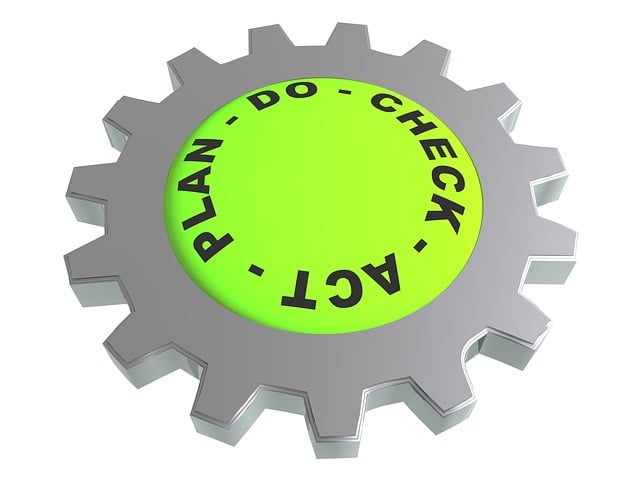
Six Sigma Project Management Templates revolutionize agile team efficiency through continuous improvement and data-driven decision making. This iterative approach optimizes processes, reduces defects (up to 30% in case studies), and enhances productivity by focusing on root cause analysis rather than symptom treatment. Templates guide project managers through defining KPIs, collecting and analyzing data, implementing solutions, and ensuring sustained improvements. Integrated with lean thinking, these tools foster collaboration, streamline communication, and empower data-driven decisions for exceptional outcomes. By leveraging Six Sigma principles, organizations can significantly reduce cycle times, improve customer satisfaction, and gain a competitive edge.
In today's fast-paced business environment, effective project management is paramount for organizational success. Agile methodologies have gained prominence for their ability to adapt and deliver results swiftly. However, integrating traditional Six Sigma tools with agile practices presents a challenge. This article explores the power of combining these two powerful approaches, offering valuable insights into how Six Sigma Project Management Templates can streamline agile processes. By examining specific tools and techniques, we empower project managers to enhance efficiency, reduce variations, and achieve exceptional outcomes in any project setting.
- Understanding Six Sigma for Agile Projects
- Defining Metrics and Key Performance Indicators (KPIs)
- Utilizing Six Sigma Project Management Templates
- Data Collection and Analysis Techniques
- Implementing Lean Principles in Agile Teams
- Measuring and Improving Project Outcomes with Six Sigma
Understanding Six Sigma for Agile Projects

Six Sigma Project Management Templates are invaluable tools for agile teams seeking to enhance efficiency and drive successful outcomes. Understanding Six Sigma within the agile framework requires a shift in perspective towards continuous improvement and data-driven decision-making. This iterative Six Sigma project approach is designed to break down complex problems into manageable pieces, allowing teams to focus on process optimization rather than merely task completion. Unlike traditional project management methodologies that can be rigid, Six Sigma encourages adaptability and flexibility, making it particularly suited for the dynamic nature of agile projects.
A key aspect of this method involves a step-by-step Six Sigma project template that guides project managers through each phase systematically. This structured approach includes identifying opportunities for enhancement, measuring current performance, analyzing data to pinpoint root causes of issues, implementing solutions, and finally, ensuring sustained improvements. For instance, a software development team might use a Six Sigma template to streamline their release process, reducing time-to-market and enhancing product quality. Data-driven insights derived from this method can lead to significant gains in productivity and customer satisfaction.
To effectively integrate Six Sigma into agile project management, project managers should access high-quality training materials tailored for their role. These resources equip them with the knowledge and skills to apply Six Sigma methodologies seamlessly within agile environments. By combining iterative practices with a data-centric mindset, teams can achieve remarkable efficiency gains. For instance, a case study from a leading tech company revealed that implementing an iterative Six Sigma project approach resulted in a 30% reduction in defect rates across multiple development teams. This transformative impact underscores the potential of Six Sigma Project Management Templates in driving excellence within agile projects.
To harness these benefits fully, consider visiting us at phases of a Six Sigma initiative. Our comprehensive resources and expert guidance can help you navigate the intricacies of this powerful methodology. Embrace an agile-Six Sigma hybrid approach to foster a culture of continuous improvement, enhance team performance, and deliver exceptional project outcomes.
Defining Metrics and Key Performance Indicators (KPIs)

Defining Metrics and Key Performance Indicators (KPIs) is a critical step in Six Sigma Project Management, allowing teams to track progress, measure success, and drive continuous improvement. When combined with lean principles, these tools become even more powerful. For instance, using Six Sigma Project Management Templates that incorporate lean thinking encourages a collaborative environment where every team member contributes to identifying and eliminating waste, leading to faster cycle times and higher quality outcomes.
Key Performance Indicators (KPIs) serve as the compass guiding agile projects. They must be SMART—Specific, Measurable, Achievable, Relevant, and Time-bound. Metrics, on the other hand, provide insights into the project's current state and help track progress towards KPIs. A well-defined KPI framework enables clear communication among team members using templates tailored for Six Sigma projects. These templates streamline data collection, analysis, and reporting processes, ensuring every stakeholder remains aligned with project goals.
Online courses for Six Sigma professionals can equip individuals with the knowledge to select, monitor, and analyze KPIs effectively. By understanding the interplay between metrics and KPIs, project managers can make data-driven decisions that optimize resources and enhance overall project performance. For instance, a software development team might track defects per release as a metric while focusing on reducing mean time to resolution (MTTR) as a KPI, reflecting improved process efficiency.
To align your project plans with Six Sigma principles, visit us at [aligning project plans with Six Sigma principles](https://www.example.com/six-sigma-alignment). Leveraging the right tools and knowledge bases, such as online courses, templates, and expert insights, can significantly enhance your agile project management efforts. By consistently defining and monitoring KPIs, you'll not only meet but exceed project objectives, ensuring continuous improvement in every phase of your Six Sigma Project Management journey.
Utilizing Six Sigma Project Management Templates

Six Sigma Project Management Templates are invaluable tools for agile project management, offering structured approaches to problem-solving and process improvement. These templates, deeply rooted in statistical methods, serve as a robust framework that seamlessly integrates with the principles of lean manufacturing. The synergies between these two powerful methodologies create an efficient environment where waste is minimized, productivity is maximized, and customer satisfaction remains paramount.
For instance, consider a software development team employing Six Sigma Project Management Templates to streamline their agile processes. Utilizing tools like Process Mapping, Cause-and-Effect Diagrams, and Statistical Analysis, the team can systematically identify and eliminate bottlenecks in their development cycle. This data-driven approach ensures that each decision is based on empirical evidence, leading to more effective problem-solving. Moreover, these templates facilitate collaboration within support networks for Six Sigma practitioners, fostering a culture of continuous improvement and knowledge sharing.
One key advantage lies in the ability of these templates to help teams find us at identifying true causes behind process variations. By applying statistical methods in Six Sigma projects, practitioners can move beyond surface-level solutions, addressing the root causes that contribute to defects or inefficiencies. This comprehensive approach ensures sustainable improvements over time. For instance, a manufacturing line might initially reduce defect rates through quick fixes but may not address underlying issues with equipment calibration or worker training. Statistical analysis helps uncover these hidden causes, leading to more lasting solutions.
Ultimately, Six Sigma Project Management Templates empower agile teams to deliver high-quality products and services while maintaining agility and responsiveness. By leveraging support networks and synergistic practices, organizations can create a culture of excellence where statistical methods drive continuous improvement, ensuring they remain competitive in today's dynamic market.
Data Collection and Analysis Techniques

Six Sigma Project Management Templates offer a robust framework for data collection and analysis techniques, which are pivotal in agile environments. These methods, originally developed within manufacturing industries, have been adapted to suit diverse sectors and unique business needs. By customizing Six Sigma methodologies, organizations can effectively tackle complex challenges and drive process improvements.
Data collection involves gathering relevant information about a process or system. Agile teams utilize various tools such as surveys, interviews, and observation protocols to capture data accurately. For instance, in software development, conducting user stories analysis can provide insights into customer requirements. Once collected, data is analyzed to identify patterns and trends. Six Sigma's root cause analysis techniques, including fishbone diagrams and pareto charts, aid in identifying true causes of defects or inefficiencies. Adapting these tools to specific industries ensures that the analysis remains relevant and actionable. For instance, a healthcare organization might use Six Sigma to analyze patient wait times, identifying systemic issues rather than just addressing symptoms.
The power of Six Sigma lies in its ability to transform data into actionable insights. By employing statistical techniques and specialized templates, agile project managers can make informed decisions. These templates guide the investigation process, ensuring no stone is left unturned in search of process improvements. Customizing these tools for unique business processes allows organizations to tailor their approach, making Six Sigma a versatile problem-solving method. For instance, a call center might use a Six Sigma template to analyze customer satisfaction scores, leading to targeted interventions and enhanced service quality.
To maximize the benefits of Six Sigma in agile project management, consider regular review and adaptation. As business landscapes evolve, so too do process requirements. Renewing Six Sigma credentials through continuous learning ensures that practitioners stay abreast of industry best practices. This proactive approach fosters a culture of continuous improvement, where data-driven insights drive decision-making and organizational success.
Implementing Lean Principles in Agile Teams

Implementing Lean Principles is a cornerstone of successful Six Sigma Project Management Templates for agile teams. By focusing on streamlining processes, eliminating waste, and fostering continuous improvement, organizations can enhance efficiency and deliver higher quality products or services. This approach aligns perfectly with Agile methodologies, where adaptability and responsiveness are key. For instance, identifying and mitigating risks early in the project lifecycle using Six Sigma project plan template PDF tools allows agile teams to pivot quickly, minimizing disruptions and maximizing value delivery.
Six Sigma project management leverages problem-solving strategies that encourage a data-driven approach. By gathering and analyzing relevant data, teams can make informed decisions, root out inefficiencies, and implement effective solutions. For example, using statistical analysis and root cause analysis techniques, agile teams can uncover hidden problems within development processes, leading to more robust code, fewer bugs, and improved overall performance. This methodical problem-solving approach ensures that every decision is backed by solid evidence, fostering a culture of quality and continuous learning.
Risk management is another critical aspect where Six Sigma excels. By incorporating identifying and mitigating risks in Six Sigma practices, agile teams can proactively address potential challenges. Tools such as risk matrices and probability/impact analysis enable early detection of high-risk areas, allowing teams to develop contingency plans or adjust project scope accordingly. This proactive stance ensures that unexpected issues do not derail projects but are instead managed effectively, leading to successful outcomes. Real-world examples of Six Sigma applications in agile environments demonstrate its tangible benefits, with companies reporting reduced cycle times, improved customer satisfaction, and enhanced overall competitiveness.
To harness the full potential of Six Sigma Project Management Templates within your agile teams, consider adopting a structured approach that combines Lean principles with robust problem-solving strategies. Visit us at [website] for more insights into implementing these powerful tools, leveraging real-world examples to drive transformative changes in your organization.
Measuring and Improving Project Outcomes with Six Sigma

In the world of agile project management, blending agile and Six Sigma methodologies offers a powerful approach to achieving exceptional outcomes. Six Sigma Project Management Templates provide a structured framework that complements the flexibility of agile practices, enabling teams to measure, analyze, and improve project results with precision. This integration allows for a systematic reduction in defects and variations, ensuring projects meet or exceed stakeholder expectations.
A key aspect of this methodology is the emphasis on data-driven decision making. Six Sigma project plans, whether downloadable or tailored for specific needs, are designed to identify root causes of problems rather than merely addressing symptoms. By following a structured approach, teams can leverage tools like process maps and statistical analysis to uncover inefficiencies and make informed adjustments. For instance, using Six Sigma principles in software development has been shown to reduce bug rates by up to 75%, demonstrating the significant impact this methodology can have.
Measuring success is just as crucial as defining goals. Six Sigma project management templates incorporate metrics that track key performance indicators (KPIs) and customer satisfaction levels, ensuring projects are on the right path. Regular reviews and feedback sessions facilitate continuous improvement, a cornerstone of agile methodologies. Moreover, these templates often include space for documenting lessons learned, fostering knowledge sharing across teams and organizations.
To get started effectively, consider finding us at free Six Sigma project charter example, which provides a solid foundation for initiating projects with clarity and purpose. By combining the structured approach of Six Sigma with the agility of modern project management practices, organizations can drive significant improvements in project outcomes, enhancing their ability to deliver value consistently.
By synthesizing key insights from this article on Six Sigma tools for Agile project management, readers gain practical strategies to enhance their project outcomes. Understanding Six Sigma principles tailored for Agile projects, defining robust metrics and KPIs, utilizing proven Six Sigma Project Management Templates, and implementing Lean principles empower teams to make data-driven decisions. The combination of effective data collection, analysis, and continuous improvement ensures projects remain on track, deliver value, and achieve outstanding results. These tools, backed by the authority of this comprehensive guide, offer a clear roadmap for organizations seeking to revolutionize their Agile practices through the integration of Six Sigma methodologies.