
The DMADV Methodology Explained is a lean manufacturing approach enhancing efficiency, reducing waste, and revolutionizing product development via five stages: Define, Measure, Analyze, Design, Verify. Key elements include data-driven decisions, technology integration, and continuous improvement culture. Benefits include shorter time-to-market, improved quality, and enhanced customer satisfaction. Successful implementation requires structured processes, stakeholder engagement, tailored communication, and advanced analytics for informed decision-making, leveraging technologies like AI and robotics, and integrating sustainability practices for both efficiency and environmental responsibility.
In today's rapidly evolving business landscape, the successful implementation of Lean Six Sigma DMADV Methodology Explained is more crucial than ever for organizations aiming to gain a competitive edge. This innovative approach combines the power of data-driven decision-making with a deep understanding of customer needs, enabling businesses to design and deliver superior products or services. However, effectively navigating the complex journey of DMADV implementation poses significant challenges. This article delves into the best practices that ensure a smooth transition, empowering organizations to harness the full potential of this transformative methodology.
- Understanding DMADV Methodology Explained: Foundation & Concepts
- Best Practices for DMADV Implementation: Step-by-Step Guide
- Engaging Stakeholders: Key Roles & Communication Strategies
- Data Collection and Analysis Techniques for Robust Results
- Leveraging Tools & Technologies in the DMADV Process
Understanding DMADV Methodology Explained: Foundation & Concepts
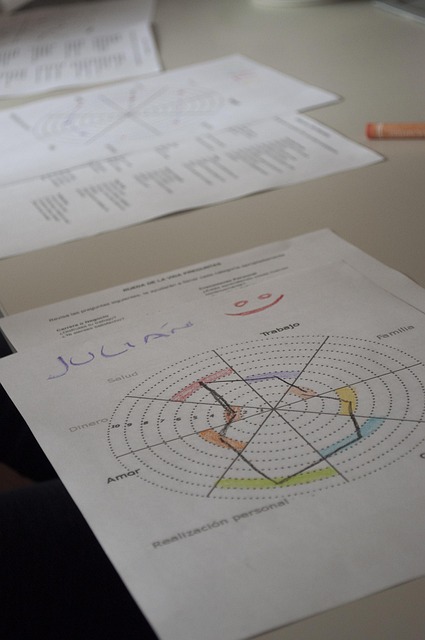
The DMADV methodology explained is a transformative approach to product development and manufacturing process improvement, emphasizing lean principles and leveraging technology in manufacturing. This system, often associated with advanced manufacturing, provides a structured framework for companies aiming to enhance efficiency, reduce waste, and revolutionize their production systems. At its core, DMADV Methodology Explained focuses on creating seamless workflows, eliminating non-value-added steps, and fostering a culture of continuous improvement—a concept that aligns perfectly with lean principles applied.
This methodology delves into five distinct phases: Define, Measure, Analyze, Design, and Verify (DMADV). Each phase builds upon the previous one, forming a robust process flow. By beginning with a clear understanding of customer requirements and ending with rigorous verification, DMADV ensures that every aspect of product development is meticulously considered and optimized. For instance, in the measurement phase, data is collected and analyzed to identify key performance indicators, which then guide decision-making throughout the project. This data-driven approach, combined with automation advantages offered by enterprise resource planning (ERP) systems, can yield significant improvements in manufacturing efficiency.
Leveraging technology in manufacturing plays a pivotal role within DMADV. Advanced software tools enable designers and engineers to simulate processes, predict outcomes, and optimize designs before physical prototypes are created. This not only reduces time and costs but also enhances the overall quality of products. For example, 3D printing and computer-aided design (CAD) software can be used in the analysis phase to model complex components, ensuring they meet specification requirements before production begins. Furthermore, integrating DMADV with ERP systems allows for real-time data sharing and process visibility across departments, promoting collaboration and streamlining workflows.
Expert implementation advice emphasizes the importance of fostering a culture that embraces change and continuous learning. Companies should invest in training employees to understand and adopt DMADV principles effectively. Regular reviews and adjustments to the process flow are essential to adapt to evolving market demands and technological advancements. By following this structured approach, organizations can achieve remarkable results, such as reduced time-to-market, increased product quality, and improved customer satisfaction—a testament to the power of DMADV Methodology Explained in transforming manufacturing processes.
Best Practices for DMADV Implementation: Step-by-Step Guide

Implementing the DMADV methodology effectively requires a structured approach that aligns with lean production principles. Here's a step-by-step guide to ensure success factors are optimally leveraged. Begin by defining the project scope and identifying customer requirements – this foundational layer sets the direction for the entire process, mirroring the essence of lean tools in meticulous planning. Next, assemble a cross-functional team comprising experts from various disciplines; their collective insights foster innovation and address potential issues early on.
The heart of DMADV lies in its systematic stages: Define, Measure, Analyze, Design, and Verify. Each stage builds upon the previous one, creating a seamless flow that prevents rework and waste. For instance, during the Analyze phase, leverage data analytics to uncover hidden trends and inefficiencies, enabling informed decision-making. This iterative process culminates in the Verify stage, where prototypes are rigorously tested against customer needs and expectations.
Beyond these practices, fostering open communication throughout the lifecycle is paramount. Regular meetings and transparent feedback channels ensure everyone remains aligned with project goals. Moreover, integrating a streamlined workflow with DMADV can significantly enhance productivity and efficiency. Remember that successful DMADV implementation isn't merely about following steps; it's an art of adaptation, continuous improvement, and leveraging lean principles to drive exceptional results. Visit us at [brand] for more insights tailored to your specific needs.
Engaging Stakeholders: Key Roles & Communication Strategies
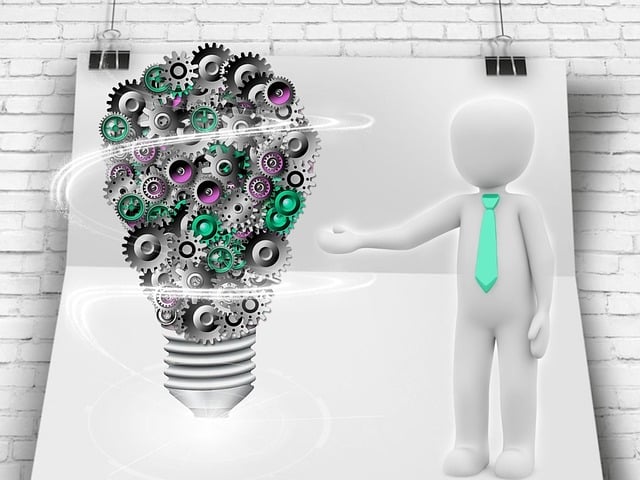
Effective engagement of stakeholders is a cornerstone in successful DMADV (Design for Manufacturing and Assembly) methodology implementation. This collaborative approach ensures that every voice is heard and considered during the product development process, from concept to production. Key roles include cross-functional teams, representing engineering, design, manufacturing, quality assurance, and customer representatives. Each stakeholder brings unique insights and perspectives crucial for visualizing the final product and its manufacturing process flow.
Visualizing product development through DMADV requires clear and consistent communication strategies. Regular meetings and workshops facilitate open dialogue, fostering adaptability in production. These sessions should be structured to define requirements, identify potential challenges, and explore innovative solutions collaboratively. Using visual aids such as diagrams and prototypes can significantly enhance understanding and engagement. For instance, a digital mockup of the product can help stakeholders appreciate its form, function, and fit within design constraints, enabling early identification of issues that could impact manufacturing efficiency.
To harness the full potential of DMADV methodology, organizations must encourage active participation from all levels. This involves tailoring communication to different stakeholder groups, ensuring their needs are addressed. For instance, detailed technical specifications for engineers may differ from high-level strategic input for senior management. Effective communication channels include dedicated project platforms, regular status reports, and feedback sessions. Additionally, leveraging digital tools for collaboration can streamline the DMADV process flow, allowing stakeholders to contribute remotely and in real time, fostering agility and adaptability throughout product development.
Remember that successful DMADV implementation hinges on continuous stakeholder engagement and an adaptive approach to production planning. Organizations that prioritize open communication channels and embrace diverse perspectives will be better equipped to navigate the complex landscape of product development, ultimately leading to a more efficient, effective, and responsive manufacturing process. For tailored guidance and expertise in your specific industry, consider reaching out to professionals who specialize in DMADV methodology—find us at adaptability in production for more information.
Data Collection and Analysis Techniques for Robust Results

Data Collection and Analysis Techniques are paramount for successful DMADV (Design for Manufacturability and Advanced Development) implementation, ensuring robust results in product development. The DMADV Methodology, a structured approach to design and manufacturing, relies heavily on comprehensive data to inform decisions that drive efficiency, quality, and eco-consciousness.
Collecting data from various sources, including historical production runs, customer feedback, and market trends, offers a holistic view of the product life cycle. Advanced analytics techniques like predictive modeling and statistical analysis can uncover hidden patterns and correlations, enabling teams to make informed choices that optimize resource allocation. For instance, analyzing past manufacturing processes within an enterprise resource planning (ERP) system can highlight inefficiencies and areas for automation, aligning with DMADV's focus on streamline production.
Accurately documenting and analyzing manufacturing processes is crucial for establishing a continuous improvement culture. Regularly reviewing and updating these records ensures that the organization learns from each iteration, fostering a cycle of refinement. By embracing data-driven insights, businesses can achieve not only short-term gains in productivity but also long-term advantages like reduced waste and minimized environmental impact—a key advantage of adopting eco-conscious product development practices.
For organizations looking to elevate their DMADV efforts, prioritizing standardized data collection processes is essential. Engaging with experts at DMADV can provide tailored guidance on implementing these best practices. We offer proactive problem-solving strategies that empower your team to streamline standardization across all stages, ultimately driving enterprise success.
Leveraging Tools & Technologies in the DMADV Process

The DMADV methodology—a systematic approach to product development—represents a powerful tool for organizations aiming to streamline their manufacturing processes and enhance overall efficiency. When leveraged effectively, modern tools and technologies can significantly bolster the DMADV process, enabling businesses to embrace dynamic manufacturing strategies while integrating sustainability initiatives. This innovative blend cultivates a customer-centric production environment that not only reduces waste but also fosters agility in meeting shifting market demands.
One of the key advantages of incorporating advanced technologies into DMADV lies in its ability to mitigate potential issues early in the development phase. Through the use of sophisticated simulation software and artificial intelligence, manufacturers can virtually test and validate designs, identifying flaws or areas for improvement before physical prototypes are created. This proactive approach saves time and resources while ensuring that final products meet stringent quality standards. For instance, an automotive manufacturer utilizing DMADV with AI-driven design optimization could reduce material waste by 15% and streamline the production process, leading to a more sustainable and cost-effective vehicle assembly line.
Moreover, automated assembly lines powered by advanced robotics and machine learning complement DMADV methodologies, allowing for greater flexibility in manufacturing. These technologies enable rapid reconfiguration of production lines to accommodate changing product variations, thereby fostering adaptability and responsiveness to customer demands. A prime example is found in the electronics industry, where flexible manufacturing systems facilitated by DMADV have enabled companies to produce diverse consumer products on a single line, reducing setup times and increasing overall productivity. By embracing these dynamic manufacturing strategies, organizations can stay ahead of market trends while maintaining a competitive edge.
As businesses navigate the complexities of modern manufacturing, integrating sustainable practices into DMADV becomes increasingly vital. Tools that optimize energy usage, minimize waste, and reduce environmental impact are essential components of this evolution. For instance, implementing smart sensors and predictive analytics can anticipate maintenance needs, reducing unplanned downtime and associated emissions. Find us at the forefront of these advancements, offering expertise in automated assembly lines using DMADV to create flexible manufacturing solutions exactly once—a testament to our commitment to both efficiency and sustainability. Through these combined efforts, organizations can achieve remarkable results while contributing to a greener future.
The DMADV Methodology Explained offers a robust framework for successful product development, empowering organizations to create innovative solutions efficiently. By integrating best practices highlighted in this article, businesses can streamline their DMADV implementation process. Engaging stakeholders effectively, employing strategic communication, and utilizing advanced data collection methods ensure a comprehensive understanding of customer needs. Leveraging the right tools and technologies further enhances accuracy and efficiency throughout the development cycle. Key takeaways include the importance of early stakeholder involvement, rigorous data analysis, and adaptive tool selection tailored to project requirements. Moving forward, organizations are encouraged to prioritize these practices, fostering a culture of continuous improvement and driving successful DMADV-driven transformations.