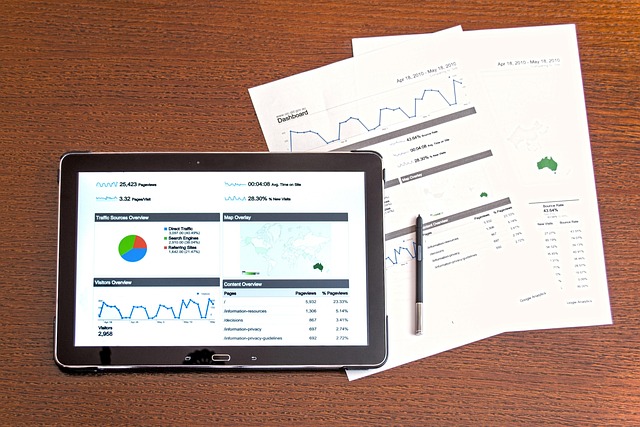
Six Sigma Project Management Templates combine Six Sigma and agile methods for effective project management. They streamline processes, promote transparency, enhance accountability, and prioritize data-driven decision making. These templates include key components like goal tracking, real-time data analysis, defined roles, and continuous improvement mechanisms. They facilitate communication, enable data-informed decisions, identify bottlenecks, and drive innovation in diverse industries. Customizable digital tools, such as cloud-based software with advanced analytics, further enhance root cause analysis and process optimization, leading to significant improvements and a competitive edge.
In the realm of Six Sigma Project Management, efficient tracking is key to achieving exceptional results. However, navigating complex projects without robust tools can prove challenging. This article delves into the critical aspect of Six Sigma Project Tracking Templates, offering a comprehensive review designed to empower project managers and teams alike.
Effective templates streamline processes, enhance visibility, and facilitate data-driven decisions. By examining various templates, we uncover best practices that optimize performance, ensuring projects remain on course and within scope. These insights are invaluable in today's fast-paced business environment, where successful Six Sigma implementations drive organizational success.
- Understanding Six Sigma Project Management Templates
- Key Components of Effective Tracking Templates
- Creating a Comprehensive Six Sigma Project Plan
- Leveraging Digital Tools for Template Success
- Measuring and Optimizing with Data-Driven Insights
Understanding Six Sigma Project Management Templates

Six Sigma Project Management Templates are essential tools for organizations seeking to blend agile and Six Sigma methodologies in their project management practices. These templates facilitate structured problem-solving strategies for Six Sigma, enabling data-driven decision making that is pivotal for projects' success. Effective templates streamline processes, promote transparency, and enhance accountability throughout the project lifecycle.
For instance, consider a manufacturing company aiming to reduce product defects using Six Sigma principles. A well-designed template would guide them in defining clear project goals, establishing key performance indicators (KPIs), and implementing data collection and analysis methods. This structured approach ensures that every step is tracked, measured, and optimized, leading to significant improvements in quality and efficiency. Moreover, integrating agile methodologies allows for iterative adjustments, fostering adaptability and continuous learning throughout the project.
Data-driven decision making is a cornerstone of Six Sigma Project Management Templates. By collecting and analyzing relevant data, teams can identify root causes of problems rather than merely treating symptoms. This strategic approach ensures that resources are allocated effectively, minimizing waste and maximizing value. For instance, using statistical tools to analyze production data might reveal process inefficiencies not evident through qualitative assessments.
Maintaining Six Sigma certification is crucial for professionals aiming to stay at the forefront of project management excellence. Visiting us at [brand name] anytime offers access to resources, training, and a community dedicated to advancing your Six Sigma journey. By embracing these templates and integrating them with agile practices, organizations can achieve remarkable results, drive innovation, and cultivate a culture of data-informed decision making.
Key Components of Effective Tracking Templates

Effective Six Sigma project tracking templates are instrumental in ensuring projects align with the rigorous standards of this quality management methodology. Key components of these templates include a comprehensive view of project goals, real-time data collection and analysis, defined roles and responsibilities, and mechanisms for continuous improvement. A well-structured template not only tracks progress against established benchmarks but also facilitates communication among team members, fostering an environment conducive to data-driven decision-making.
Consider, for instance, a healthcare organization adopting Six Sigma principles to reduce wait times in their emergency departments. A tailored tracking template would include metrics like average wait time, patient satisfaction scores, and staff productivity alongside specific project milestones. This allows managers to identify bottlenecks early on, adapt resources effectively, and make informed decisions based on verifiable data. Adapting Six Sigma methodologies to diverse industries requires flexible yet structured templates that capture the unique nuances of each sector while maintaining core principles.
For aspiring Six Sigma professionals, resource guides are invaluable tools for navigating this complex landscape. They offer step-by-step approaches, case studies, and best practices tailored to various industry applications. For instance, a manufacturing facility might use a Six Sigma project management template to streamline production lines, whereas a service-oriented business could employ the same principles to enhance customer experience. By aligning project plans with Six Sigma principles and leveraging resource guides, professionals can confidently adapt this framework to meet specific operational challenges.
One such comprehensive resource is our step-by-step Six Sigma project template, designed to guide users through every phase of implementation. It emphasizes the importance of clear objectives, robust data analysis, and continuous improvement, ensuring projects remain on track and deliver measurable results. Ultimately, effective tracking templates are not merely tools; they serve as facilitators for successful Six Sigma implementations, enabling organizations to achieve operational excellence across diverse sectors.
Creating a Comprehensive Six Sigma Project Plan

Creating a comprehensive Six Sigma Project Plan is pivotal to ensuring successful implementation and measurable results. At its core, this involves crafting a detailed project charter that clearly defines objectives, scope, and expected benefits. A well-structured charter acts as a roadmap, guiding teams through each phase of the Six Sigma process. For instance, consider a case study of a manufacturing firm that integrated Six Sigma into their production line. By establishing a comprehensive charter upfront, they identified key areas for improvement, set ambitious yet achievable goals, and outlined specific metrics for tracking progress.
A crucial element within any Six Sigma Project Management Template is the definition of critical success factors (CSFs). These are measurable benchmarks aligned with project objectives that signal successful completion. For example, in a customer service enhancement project, CSFs might include reduced average call handling time and increased customer satisfaction ratings. Regularly tracking these metrics against established targets allows teams to make data-driven adjustments and pivot strategies as needed. Moreover, case studies of successful Six Sigma implementations, like a retail chain reducing inventory waste by 20% through process optimization, demonstrate the profound impact well-managed projects can have.
Integrating Six Sigma into existing projects requires meticulous planning and alignment. Project managers should involve key stakeholders from the outset, fostering collaboration across departments to ensure buy-in and resource availability. For instance, a cross-functional team might include representatives from operations, finance, IT, and customer service. Utilizing project management frameworks compatible with Six Sigma, such as those offered by leading NAP/brand providers, can streamline this process. These frameworks provide structured templates, tools, and methodologies to facilitate effective project tracking, risk management, and continuous improvement.
Ultimately, a robust Six Sigma Project Plan is not merely a document but a dynamic tool for driving organizational change. It requires ongoing refinement based on data insights and stakeholder feedback. By combining meticulous planning with agile execution, organizations can harness the power of Six Sigma to optimize processes, enhance efficiency, and deliver exceptional results. Visit us at [Project Management Frameworks Compatible with Six Sigma] to explore comprehensive tools tailored to support your next initiative.
Leveraging Digital Tools for Template Success

Leveraging digital tools is pivotal for effective Six Sigma project tracking using tailored templates. These templates, designed with flexibility in mind, empower businesses to customize Six Sigma methodologies to suit their unique needs. By embracing digital solutions, organizations can streamline processes, enhance collaboration, and accelerate time-to-solution. For instance, cloud-based project management software allows real-time data access and visualization, enabling teams to swiftly identify trends and make informed decisions.
Root cause analysis techniques, a cornerstone of Six Sigma, benefit from the agility offered by digital tools. Advanced analytics and data visualization features facilitate the discovery of underlying issues by uncovering hidden patterns and correlations. This proactive approach, supported by technology, enables businesses to address fundamental causes rather than merely treating symptoms, leading to more sustainable solutions. Moreover, digital platforms often incorporate built-in quality control measures and automated reporting, reducing manual effort and human error.
Customizing Six Sigma for unique business environments is a key advantage of digital templates. Organizations can tailor processes, tools, and metrics to align with their specific industry, product, or service. This adaptability ensures that Six Sigma project management becomes an integral part of the company's culture and DNA. For instance, a manufacturing firm might focus on process efficiency while a service-oriented business emphasizes customer satisfaction metrics. Finding the right balance between standard protocols and customization is essential for maximizing the impact of Six Sigma Project Management Templates.
To harness the full potential of digital tools in Six Sigma implementation, consider these actionable steps: regularly review and update templates to reflect evolving business needs; ensure team members are adequately trained on the chosen software; and leverage data analytics to drive continuous improvement. For comprehensive guidance, explore our collection of Six Sigma training materials for project managers, designed to equip professionals with the expertise needed to navigate this dynamic landscape effectively.
Measuring and Optimizing with Data-Driven Insights

In the realm of Six Sigma Project Management Templates, data-driven insights play a pivotal role in measuring and optimizing processes effectively. These templates, designed to complement project management frameworks compatible with Six Sigma, serve as powerful tools for professionals aiming to drive continuous improvement. By integrating online courses for Six Sigma professionals into their workflow, organizations can enhance the skills of their workforce and ensure alignment with best practices.
For instance, consider a manufacturing company utilizing a Six Sigma Project Management Template to track key performance indicators (KPIs) during a quality enhancement project. The template allows them to systematically collect and analyze data from various stages of production, identifying bottlenecks and areas for improvement. This data-centric approach enables the team to make informed decisions, implement targeted solutions, and ultimately achieve a higher level of process efficiency. Online courses on Six Sigma methodologies can further equip professionals with advanced root cause analysis techniques Six Sigma, empowering them to uncover hidden inefficiencies and drive significant enhancements.
Moreover, these templates facilitate project transparency and collaboration. Team members can easily access real-time data, enabling open communication and fostering a culture of continuous learning. Regular updates and progress tracking ensure that everyone remains aligned with project goals, facilitating timely adjustments as new insights emerge. By embracing Six Sigma Project Management Templates and leveraging compatible project management frameworks, organizations can create a robust foundation for data-driven decision-making, ultimately optimizing their operations and gaining a competitive edge.
By thoroughly reviewing and implementing effective Six Sigma Project Management Templates, organizations can significantly enhance their project tracking, planning, and overall success rates. This article has illuminated key components essential for robust templates, underscoring the importance of clear goals, defined roles, risk management strategies, and data-driven insights. Leveraging digital tools further streamlines processes, enabling real-time monitoring and adaptive decision-making. Through meticulous project planning and continuous optimization, Six Sigma methodologies empower teams to deliver exceptional results, ensuring every initiative aligns with strategic objectives. Armed with these insights, readers are equipped to transform their project management practices, unlocking new levels of efficiency and effectiveness within their organizations.